Mixing music can be an incredibly rewarding experience, but it can also be overwhelming and intimidating, especially for beginners.
If you've been struggling to make progress in your mixing skills, don't worry; I've got you covered.
In this post, I’m going to take you on a journey and show you how to practice mixing at home.
We'll dive into some proven techniques that will help you transform your mixes from average to exceptional.
The Step-by-Step Practice Method
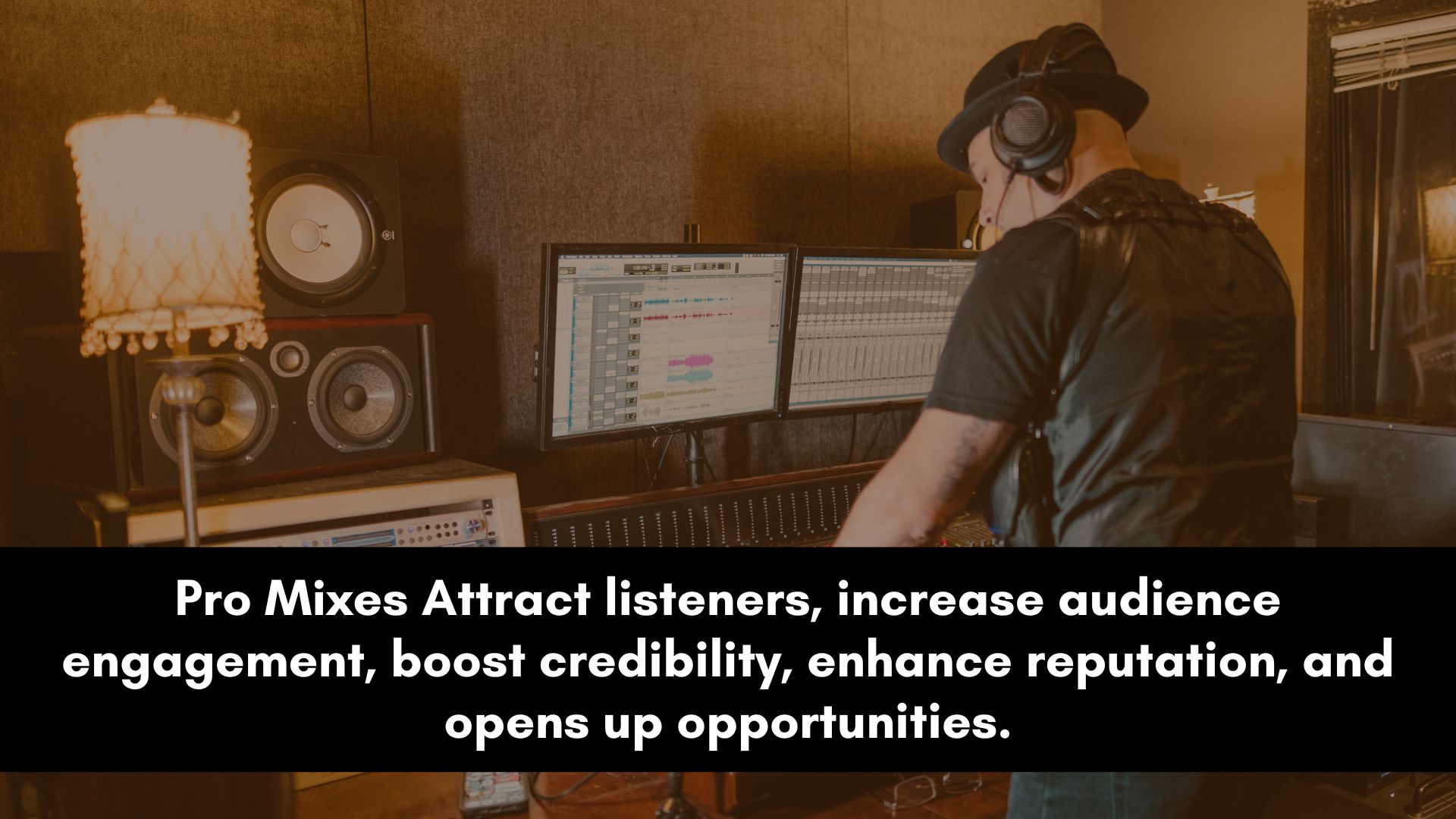
Being able to produce a professional and polished mix that can compete with other commercially successful songs can take your music career to new heights.
It can help you stand out from the crowd, attract more fans, and increase your chances of getting noticed by industry professionals.
It's the key to unlocking your full potential and taking your music to the next level.
So grab your headphones, buckle up, and get ready for some serious mixing magic.
Train Your Ears Before Every Mixing Session
Ear training is a crucial aspect of learning to mix and one that is often overlooked by beginners.
It involves developing your ability to identify different frequencies, dynamics, and tonalities and is essential to achieving a professional-sounding mix.
There are several ear training exercises that you can do at home.
One of the most effective is to use frequency sweep tones to identify the frequencies of different instruments in your mix.
Another is to practice EQing by isolating a specific frequency range and boosting or cutting it to hear how it affects the overall sound.
You can also try using reference tracks to train your ears to identify specific elements of a mix, such as the bassline or vocal harmony.
By practicing these exercises regularly, you'll be able to develop a more discerning ear and create better mixes that stand out from the crowd.
You can also try Pure Mix ear training (Frequency Quiz), which will help you learn to identify different frequencies.
Learn Core Mixing Tools and Test Them Intentionally
You need to understand what each tool does and how to use it effectively to achieve the desired effect.
For example, compression is a powerful tool that can help control the dynamic range of a track, but it can also be overused, resulting in a flat and lifeless sound. This guide on how to use an audio compressor helps you dial it in with more confidence.
Similarly, reverb and delay can add depth and character to a mix, but too much can muddy the overall sound.
So by experimenting with different settings and combinations of tools, you can find the sweet spot that works best for your mixes.
Take the time to do all this tedious stuff, and you'll be amazed at the results you can achieve.
Start with Simple Tracks Before Complex Sessions
Starting with simple tracks is a great way to practice, especially for beginners.
Simple tracks often have fewer elements, making it easier to hear each individual instrument and how it fits into the mix.
This makes it easier to experiment with different mixing techniques and identify areas that need improvement.
By working on these types of tracks, you can practice using EQ, compression, reverb, and other mixing tools to create a balanced and cohesive sound.
As you progress, you can move on to more complex tracks and continue to refine your skills.
Focus on One Mix Element at a Time
Rather than trying to adjust all elements of the mix simultaneously, it's better to focus on one instrument or sound at a time.
For example, start by adjusting the levels and EQ of the kick drum, then move on to the snare, and so on.
This approach helps to ensure that each element of the mix is given the attention it deserves.
Additionally, it makes it easier to identify issues that may be affecting specific elements of the mix, allowing you to address them more effectively.
Take Breaks to Protect Your Ears and Judgment
Mixing can be a mentally and physically exhausting process, and taking regular breaks can help prevent ear fatigue and burnout.
It's recommended that you take a 10-15 minute break every hour to rest your ears and give your mind a chance to recharge.
During your breaks, it's a good idea to step away from your mixing setup and do something unrelated to music, like taking a walk in the park.
This can help clear your mind and prepare you for the next round of mixing.
Remember, it's important to take care of your physical and mental health when practicing mixing at home to avoid long-term damage.
Practice Mixing with Real Multitracks Online
Multitracks are individual tracks of a song, separated by instrument or sound, which can be mixed and edited individually.
You can download multitracks online for a variety of popular songs, which can give you the opportunity to practice on real tracks.
Additionally, working with multitracks allows you to experiment with different mixing techniques and get creative with your mixing.
There are several websites where you can download multitracks for free or for a small fee.
So, take advantage of this valuable resource and start practicing your mixing skills today.
Do Not Be Afraid to Restart a Mix
It's easy to get attached to a certain mix, but sometimes the best thing you can do is start fresh.
If you're struggling to achieve the sound you're looking for, it's okay to scrap what you've done and start from scratch.
Starting over can help you approach the mix with a fresh perspective and come up with new ideas.
It's also a great opportunity to practice and refine your mixing skills.
Remember, mixing is a process, and it often takes several attempts to achieve the desired sound.
So, don't be discouraged if you need to start over; it's all part of the learning experience.
Common Mixing Practice Mistakes to Avoid
A common mistake is jumping between too many plugins and techniques without a focused goal for each practice session.
Another mistake is judging progress on one session instead of tracking improvements across multiple songs and environments.
Set one objective per session, compare against references, and review your decisions after each mix to build faster progress.
Mixing Practice FAQ
How many hours should I practice mixing each week?
Consistency matters more than marathon sessions. Even 30 to 60 focused minutes most days can produce better long-term progress than irregular long sessions.
What is the fastest way to improve mixing at home?
Use reference tracks, train your ears regularly, and finish complete mixes instead of endlessly tweaking one project. Repetition with clear feedback is the fastest path.