You print the vocal, drop a reverb on the send, and reach for a preset called something like “Lush Vocal Hall.”
It sounds gorgeous in solo.
Then you unmute the track, and the vocal slides three feet behind the snare, the words turn into mush, and the whole mix goes foggy.
So you pull the wet level down, then back up, then swap to a different preset, and twenty minutes later you still cannot decide whether it sounds expensive or just distant.
Most of that struggle is not a skill problem. It is a tool problem, plus a small number of decisions nobody tells you to make first.
This is the shortlist.
Below are the reverb plugins that consistently make vocals sound polished, upfront, and three-dimensional, sorted by the type of reverb they do best, with a clear pick for every budget.
By the end you will know which one to buy, why plate keeps winning for vocals, and how to dial any of them so the vocal sits in the space instead of drowning in it.
TL;DR: The Quick Picks
- Best overall: FabFilter Pro-R 2. One reverb that covers plate, room, and hall with the cleanest controls in the business.
- Best plate (the type vocals love most): Arturia Rev PLATE-140. A faithful EMT 140 model for a fraction of the hardware price.
- Best free: Valhalla Supermassive territory aside, the smartest free move is VerbSuite Classics demos or the stock plate in your DAW. For paid value, Valhalla VintageVerb is almost free at its price.
- Best for instant results: Sonible smart:reverb. It listens to the vocal and builds the tail for you.
- Best character: Manny Marroquin Reverb. Pop and R&B vocal sheen with EQ, compression, and distortion baked in.
Keep reading for the full breakdown, a side-by-side comparison table, and the three mistakes that make even the best reverb for vocals sound amateur.
What Makes a Reverb Good for Vocals
A reverb earns its place on a vocal when it adds depth and richness without smearing the words or pushing the singer to the back of the room.
The difference between a plugin that flatters a vocal and one that buries it usually comes down to four controls.
Learn to listen for these, and the brand name on the plugin matters far less.
- Pre-delay. The gap between the dry vocal and the first reflection. Set it to 20–50 ms and the vocal stays upfront while the tail blooms behind it. Zero pre-delay glues the reverb to the words and makes them muddy.
- Decay time. How long the tail rings out. Most vocals want 1.0–2.0 seconds. Ballads can stretch longer, fast rap and pop want it short so the next word is not stepping on the last one.
- Modulation. Subtle pitch movement in the tail stops the reverb from sounding static and metallic. The best vocal reverbs apply it gently so the tail feels lush instead of wobbly.
- Built-in EQ and ducking. A high-pass and low-pass on the reverb return, plus a ducker that pulls the tail down while the vocal is singing, are the features that keep a reverb out of the way. Plugins that include these save you a whole channel of corrective work.
Get those four right, and almost any reverb on this list will flatter a vocal. Miss them, and even a thousand-dollar plugin sounds amateur.
The plugin sets the ceiling; the controls decide whether you reach it.
The Best Reverb Types for Vocals
Before you pick a plugin, pick a type.
Reverb plugins emulate different physical and electromechanical spaces, and each one has a personality that suits some vocals better than others.
For most modern vocals, the honest answer is that plate gets the job done more often than anything else.
- Plate. Bright, dense, and smooth, with no obvious room shape. It sits behind a vocal beautifully and flatters almost any voice. This is the default for pop, rock, soul, and rap. If you only learn one type, learn plate.
- Hall. Big, lush, and slow. Gorgeous on ballads and intimate performances, dangerous on busy uptempo mixes where the long tail clogs everything.
- Room. Short and natural. Adds a sense of place without obvious “reverb,” which makes it great for keeping a vocal upfront and modern.
- Chamber. Sits between room and hall. Warm and dense, classic on vintage-flavored vocals.
- Convolution. Uses real recordings of actual spaces and hardware. The most realistic option, and the heaviest on your CPU.
Plate’s reputation is not nostalgia.
Its bright, even tail adds presence and depth without painting an obvious room around the singer, which is exactly what a vocal needs.
If you want to hear why, the guide to plate reverb walks through what makes that metal-plate sound so forgiving on voices.
Best Plate Reverbs for Vocals
Plate is the type most engineers reach for first on a vocal, so this is where most readers should start.
Both picks below model the legendary EMT 140, the steel-plate unit that put the plate sound on thousands of hit records.
They differ mainly in price and the rig they live in.
Arturia Rev PLATE-140
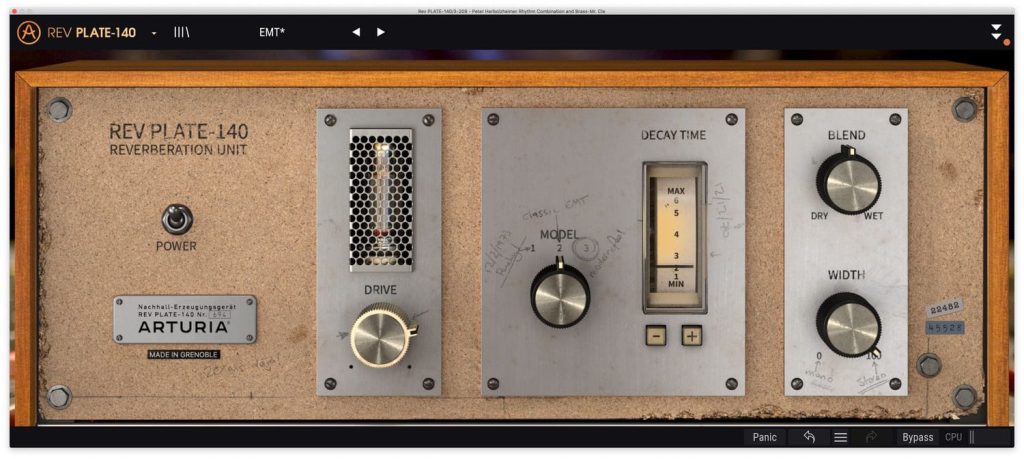
Arturia’s model of the EMT 140 is the smartest plate buy for most home setups.
It captures the bright, dense bloom of the original and adds modern conveniences the hardware never had: adjustable pre-delay, a built-in EQ section, and a damping control that tames harsh tails.
On a pop or R&B lead, it gives you that polished, radio-ready sheen in about three moves.
Universal Audio EMT 140 Classic Plate
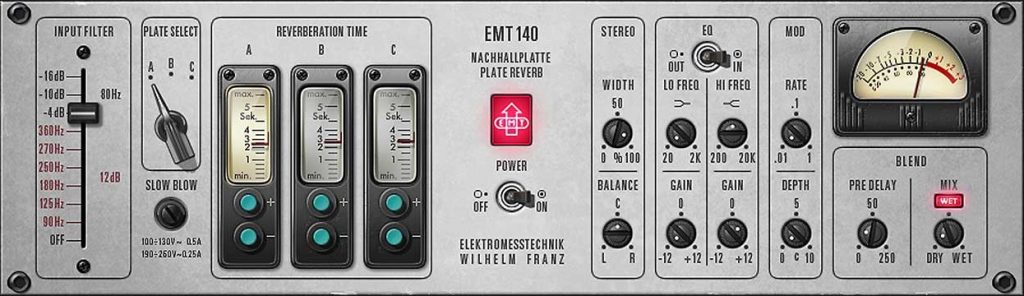
If you are on the UAD platform, the EMT 140 Classic Plate is the benchmark.
It models three real plates from The Plant studios with a level of detail and weight that is hard to beat, and the tail has a richness that flatters thin or modern digital vocals.
It is the heavier investment of the two, but the sound is reference-grade.
Best Algorithmic and Hall Reverbs for Vocals
Algorithmic reverbs build the tail with math instead of a sampled space, which makes them flexible, light on the CPU, and easy to tune.
These are the workhorses you will keep on a vocal bus for years.
Each pick below brings something different: clean control, vintage color, or a famous hardware voice.
FabFilter Pro-R 2
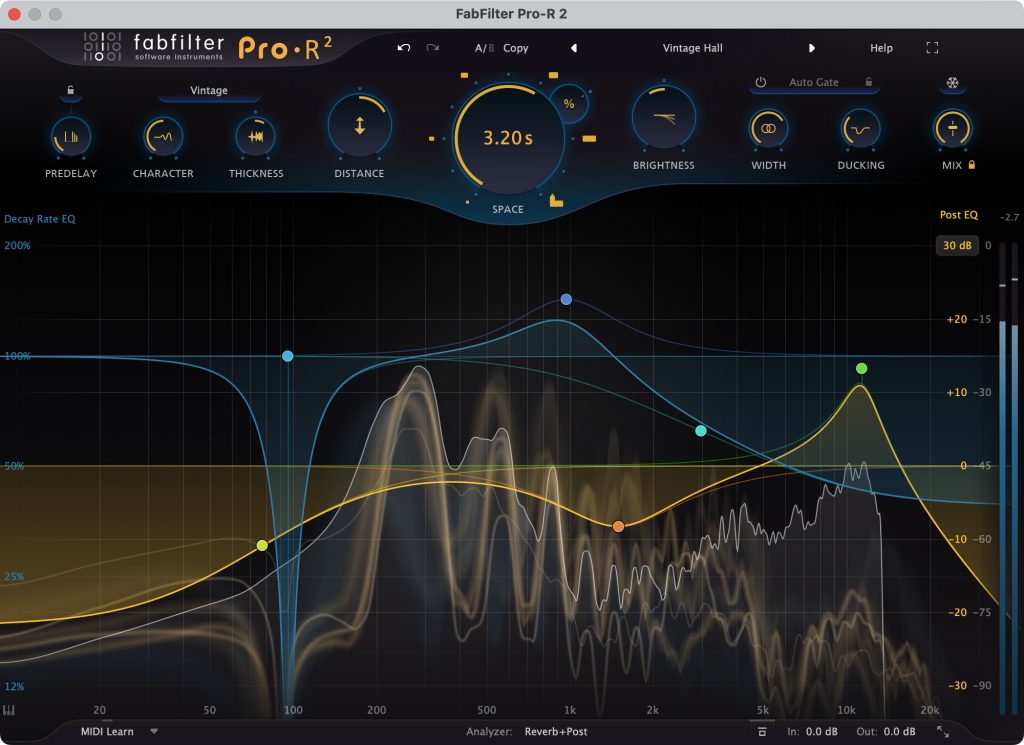
Pro-R 2 is the reverb to own if you only own one.
Its Decay Rate EQ lets you shorten the tail in the harsh upper mids while keeping length in the lows, so the vocal stays clear and never gets clattery.
The Space knob morphs smoothly from a tight room to a cathedral, and the whole thing sounds clean and musical without any setup.
For most engineers, this is the best reverb for vocals across genres.
Valhalla VintageVerb
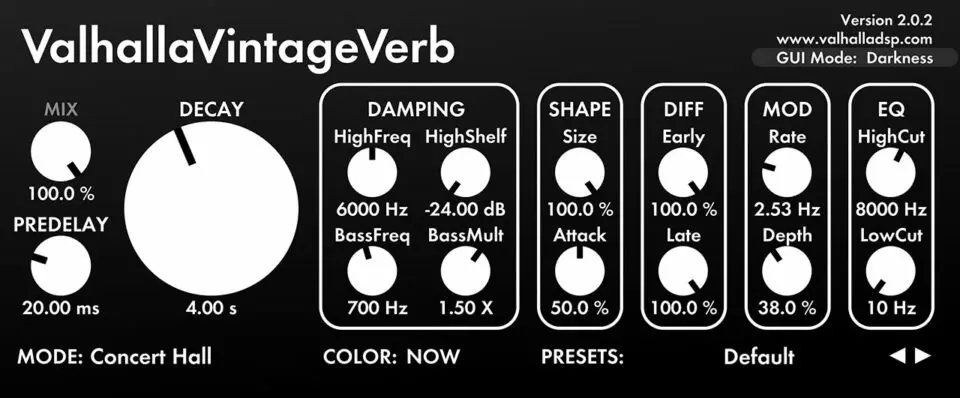
Pound for pound, nothing beats VintageVerb on value.
It packs Room, Plate, Chamber, Hall, and more into one cheap plugin, with three vintage color modes that add a flattering haze to digital vocals.
The controls are simple, the sound is gorgeous, and at its price it is close to a free upgrade for any vocal chain.
If you are buying your first proper reverb, start here.
UAD Lexicon 224
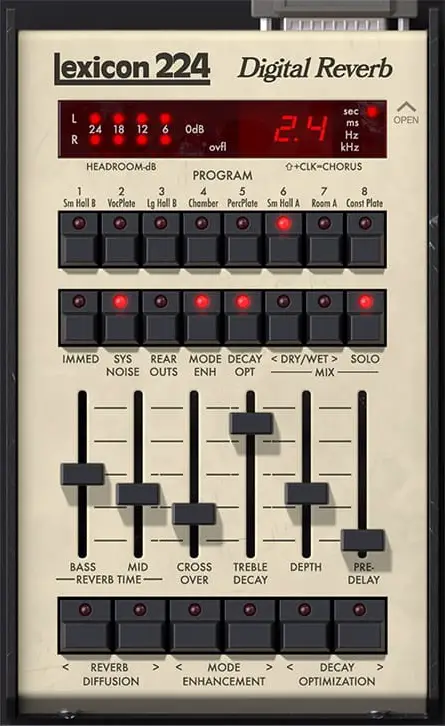
The Lexicon 224 is the sound of the 1980s and a huge slice of pop history.
Its lush, slightly diffuse hall and plate programs put a glossy halo around a lead vocal that producers have chased for forty years.
On the UAD platform, it is one of the most musical hall options you can put on a singer, especially for ballads and big choruses.
SSL Native FlexVerb
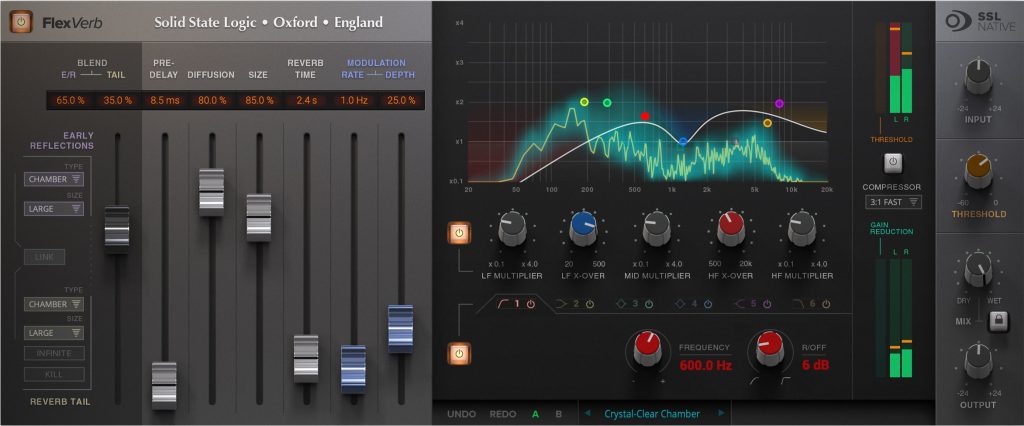
FlexVerb is the modern, do-it-all algorithmic pick.
It covers rooms, plates, and halls with a clean SSL voice, and its standout trick is per-band decay control plus built-in dynamics.
So you can duck the tail under the vocal without a separate plugin.
It is a strong choice if you want one flexible reverb that stays out of the way on a busy mix.
Best Convolution Reverb for Vocals
Convolution reverbs use impulse responses, which are real recordings of how an actual room or hardware unit responds to sound.
The payoff is unmatched realism. The cost is CPU and a little setup.
For vocals, one plugin owns this category outright.
Audio Ease Altiverb
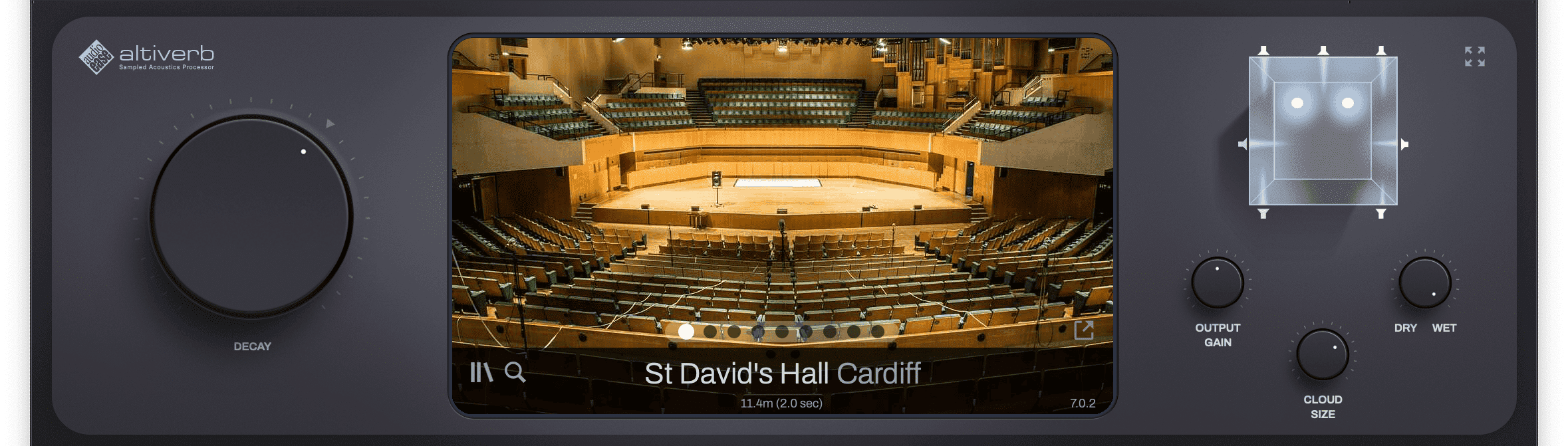
Altiverb is the industry standard for convolution and a regular on film, TV, and high-end music sessions.
Its library of real concert halls, churches, scoring stages, and vintage plates is enormous, and the spaces sound genuinely three-dimensional in a way algorithms still cannot fully fake.
Reach for it when you want a vocal to feel like it was sung in a real, specific place rather than a generic digital tail.
Character and Smart Reverbs Worth a Look
The last group is for when you want personality or speed rather than a neutral space.
These plugins make decisions for you, layer in extra processing, or chase a specific star-engineer sound.
They are the ones that turn a good vocal into a finished record.
Slate Digital VerbSuite Classics
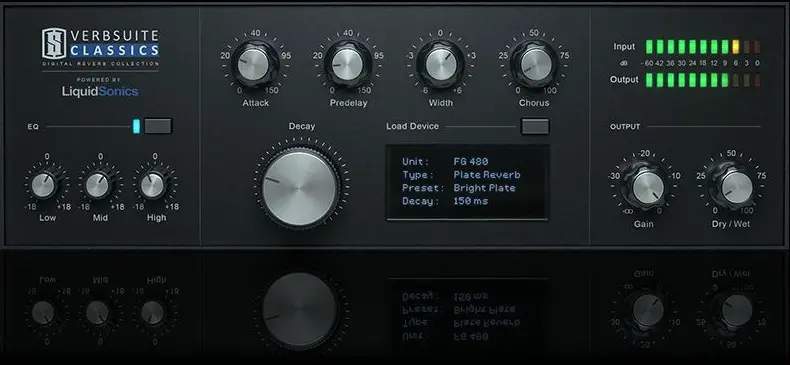
VerbSuite Classics models a stack of legendary hardware reverbs, including Lexicon and EMT units, using the same convolution-style engine as the hardware-modeling crowd.
It sounds rich and expensive, and the curated factory presets get you to a usable vocal space fast.
If you have a Slate subscription, it is one of the best vocal reverbs you already own.
View Slate VerbSuite Classics →
Manny Marroquin Reverb
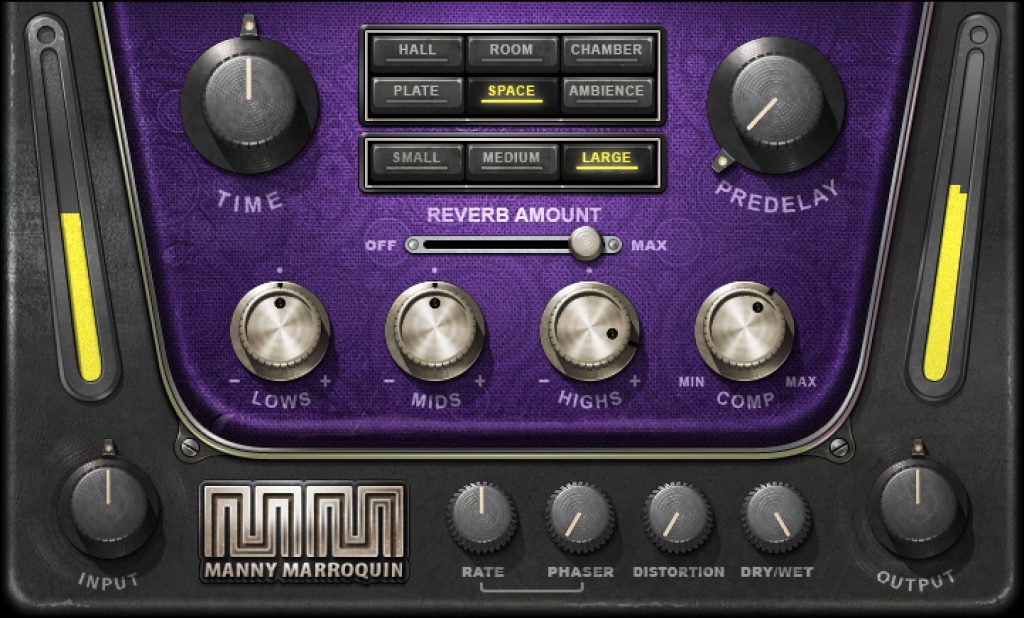
This Waves plugin bottles the vocal sound of a Grammy-winning mixer.
It is more than a reverb: it stacks EQ, compression, distortion, and chorus around the tail so you get that polished, upfront pop and R&B sheen from a single insert.
It is not transparent, and it is not trying to be. When you want instant commercial gloss, it delivers.
Download Manny Marroquin Reverb
Sonible smart:reverb (Bonus)
smart:reverb listens to your vocals and builds a custom reverb around them, automatically shaping the tail to avoid masking the important parts of the performance.
For anyone who freezes at a wall of reverb controls, it is the fastest path to a clean, balanced result.
Treat its output as a strong starting point, then tweak the decay and wet level by ear.
Vocal Reverb Plugins Compared
Here is the whole list at a glance.
Match the reverb type to the vibe you are after, then use the “best for” column to narrow it to the one that fits your session and budget.
| Plugin | Type | Best for | Tier |
|---|---|---|---|
| FabFilter Pro-R 2 | Algorithmic (all) | One reverb to do everything, cleanly | Premium |
| Arturia Rev PLATE-140 | Plate | Polished pop and R&B sheen on a budget | Affordable |
| UAD EMT 140 | Plate | Reference-grade plate on UAD | Premium |
| Valhalla VintageVerb | Algorithmic (multi) | Best value, first proper reverb | Budget |
| UAD Lexicon 224 | Hall / plate | Lush 80s pop and ballad halls | Premium |
| SSL Native FlexVerb | Algorithmic (all) | Built-in ducking on busy mixes | Mid |
| Audio Ease Altiverb | Convolution | Real, three-dimensional spaces | Premium |
| Slate VerbSuite Classics | Hardware models | Vintage gloss from preset | Subscription |
| Manny Marroquin Reverb | Character (all-in-one) | Instant commercial vocal gloss | Affordable |
| Sonible smart:reverb | Smart / adaptive | Fast, automatic results | Mid |
How to Choose the Right Vocal Reverb
You do not need all ten.
The right choice depends on your budget, your platform, and how much you want the plugin to decide for you.
Use this as a shortcut instead of buying everything and hoping.
- Buying your first real reverb: Valhalla VintageVerb. Cheap, gorgeous, and it covers every type while you learn what each one does.
- Want one plugin for everything: FabFilter Pro-R 2. The cleanest controls and the most flexible decay shaping on the market.
- Chasing pop or R&B gloss: Manny Marroquin Reverb or Arturia Rev PLATE-140.
- On the UAD platform: EMT 140 for plate, Lexicon 224 for halls.
- You hate fiddling with controls: Sonible smart:reverb. Let it do the first pass.
- You need realism for picture or acoustic work: Audio Ease Altiverb.
Whichever you land on, the plugin is only half the job.
How you place and shape the tail matters more than the badge, so it pays to pair your pick with a solid method for applying reverb on vocals rather than trusting the factory presets.
3 Common Mistakes With Vocal Reverb
The right plugin still sounds wrong if you make these moves.
Every one of them is the reason a vocal ends up sounding washy, distant, or cheap, no matter how good the reverb is.
1. Judging the reverb in solo. A tail that sounds beautiful on its own is almost always too much in the full mix.
Set the wet level with everything playing, then back it off until you nearly stop noticing it. That “barely there” point is usually right.
2. Skipping pre-delay and EQ on the return. With zero pre-delay the reverb fuses to the words and turns muddy.
With no high-pass on the return, low-end build-up clouds the mix. A little pre-delay and a high-pass around 200–300 Hz fix most “washy” complaints instantly.
3. Using a long hall on a fast vocal. A two-second tail on a busy rap or uptempo pop verse means every word smears into the next.
Match the decay to the tempo and the density of the lyrics. Short and tight keeps fast vocals intelligible.
Frequently Asked Questions
These are the questions that come up most often once you start shopping for a vocal reverb.
The short answers below cover type, value, and the settings that trip people up, so you can choose with confidence.
What type of reverb is best for vocals?
Plate reverb is the best all-round choice for vocals.
Its bright, dense, smooth tail adds presence and depth without painting an obvious room around the singer, which flatters almost any voice across pop, rock, soul, and rap.
Hall reverb is the next pick for ballads and intimate songs where you want a bigger, lusher space.
Room reverb works when you want a natural, upfront sound with no obvious effect.
Which Valhalla reverb is best for vocals?
Valhalla VintageVerb is the best Valhalla reverb for most vocal work because it includes Plate, Room, Chamber, and Hall modes plus vintage color options in one affordable plugin.
Its plate and chamber modes are excellent on lead vocals.
If you want lush, modern ambient tails for effect throws and atmospheres, Valhalla Supermassive is a free companion that pairs well with it.
What is the best free reverb for vocals?
The best free option for most people is the stock plate or room reverb already in your DAW, used well, since placement matters more than the plugin.
Beyond that, Valhalla Supermassive is the standout free download for lush, creative vocal tails.
For a clean everyday space at a tiny price rather than free, Valhalla VintageVerb is close enough to free that it is worth the small spend.
How much reverb should you put on vocals?
Less than you think. Set the reverb on a send, balance it with the full mix playing, and pull the wet level down until you almost miss it.
For most modern productions the reverb should be felt more than heard.
Faster, busier songs need less reverb and shorter decay, while slow ballads can carry more.
If the words start to blur, you have gone too far.
Should you use plate or hall reverb on vocals?
Use plate for most vocals and hall when you specifically want size.
Plate keeps the vocal upfront and adds polish without an obvious room, which is why it dominates pop and rap.
Hall adds a bigger, slower, more romantic space that suits ballads and sparse arrangements but can clog a busy uptempo mix.
Many engineers use both: a short plate for body and a touch of hall for depth.
Do you EQ before or after reverb on vocals?
Both, for different reasons.
EQ the dry vocal first so you feed the reverb a clean signal, which stops muddy or harsh frequencies from being amplified in the tail.
Then EQ the reverb return itself, usually with a high-pass around 200–300 Hz and a gentle high-cut, so the tail adds depth without clouding the mix.
A clean dry vocal into a filtered return is what makes a reverb sound expensive.
The Bottom Line
If you want a single recommendation, FabFilter Pro-R 2 is the most capable all-rounder, and Arturia Rev PLATE-140 is the best-value way to get that classic plate sheen vocals love.
On a budget, Valhalla VintageVerb does almost everything for almost nothing. But the plugin is the small decision.
Pick a type that fits the song, set a little pre-delay, filter the return, and balance the tail in the full mix, and any reverb on this list will make your vocal sound finished.
Even the best reverb plugin cannot rescue a vocal that is not sitting right in the first place.
If your vocals still sound buried or washy after buying one, the fix is almost always upstream of the reverb.
Start with the complete vocal mixing guide to get the foundation right, then dig into these:
- How to make space for vocals in a mix (give the reverb somewhere to live before you add it)
- How reverb works (the engine behind every plugin on this list)
- How to EQ vocals like a pro (a clean, well-shaped dry vocal is what makes a reverb sound expensive)